Most Venue Proposals Look the Same on Paper. Here's How 15Hatfields Stands Out
Open three London venue proposals side by side and they start to blur into one document.
Central location. Flexible spaces. AV, catering. Sustainable credentials. Helpful team. Every proposal says it. None of it tells you what the event will actually feel like when 200 guests arrive at once, a session overruns, a speaker's mic cuts out, or when the room has to do more than the floor plan promised.
At 15Hatfields, we've welcomed thousands of delegates across conferences, meetings, exhibitions and hybrid events. We've learned that the difference between a good venue and a great one isn't what's written in the proposal - it's what happens before an event event begins.
Below is our tried-and-tested eight-point assessment we use, and why so many choose 15Hatfields once they've seen it in action.
1. The arrival test
Picture your guests walking in. Not the polished version in the brochure photo, the real one: coats, phones, badges, someone running five minutes late.
Is there a clear reception point? Does wayfinding actually make sense, or does it need three follow-up questions? Does the start of the event feel calm, or does it feel like the venue is catching up with itself?
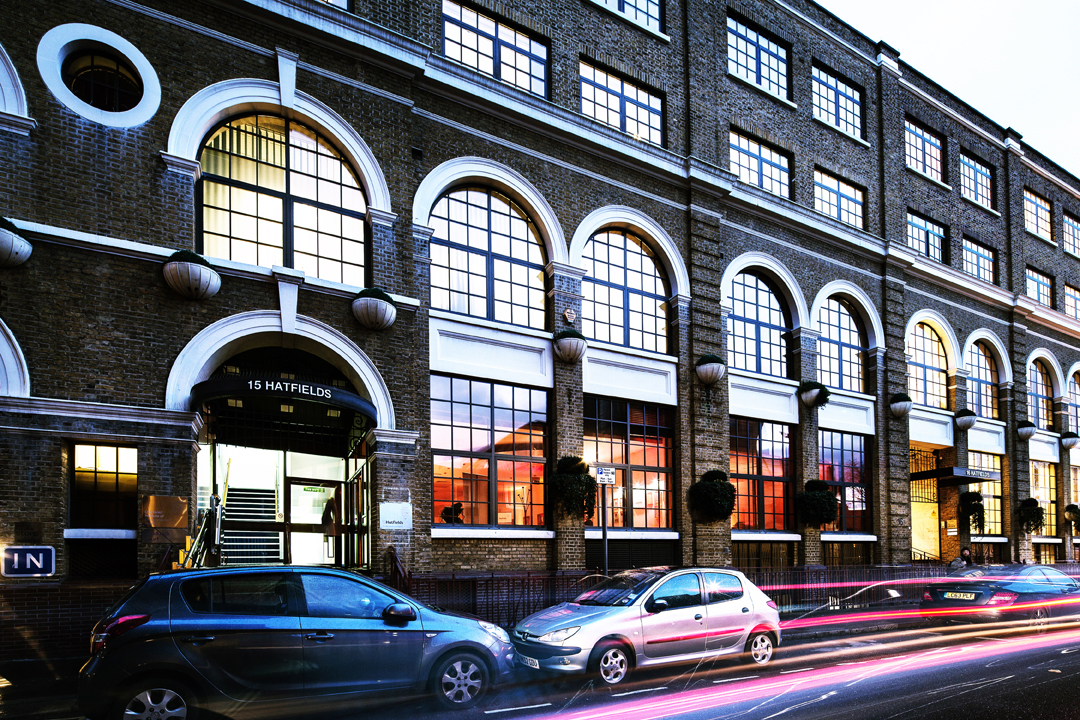
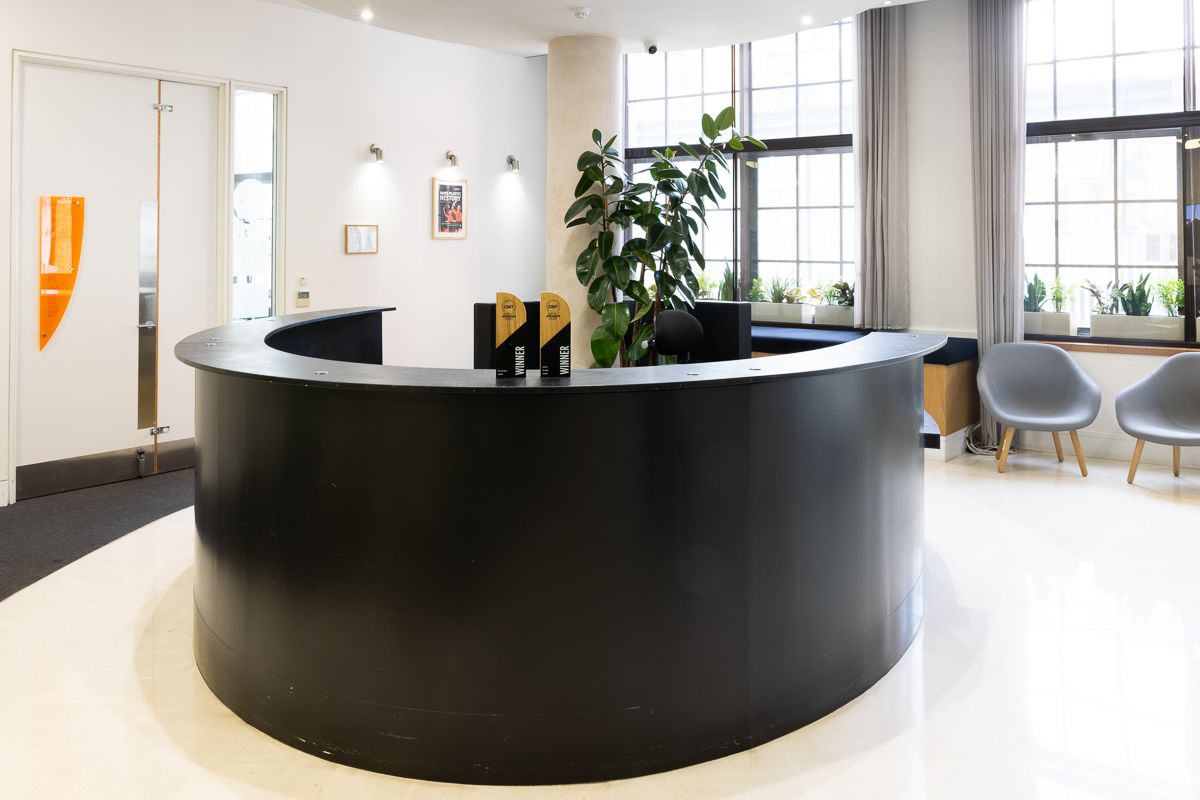
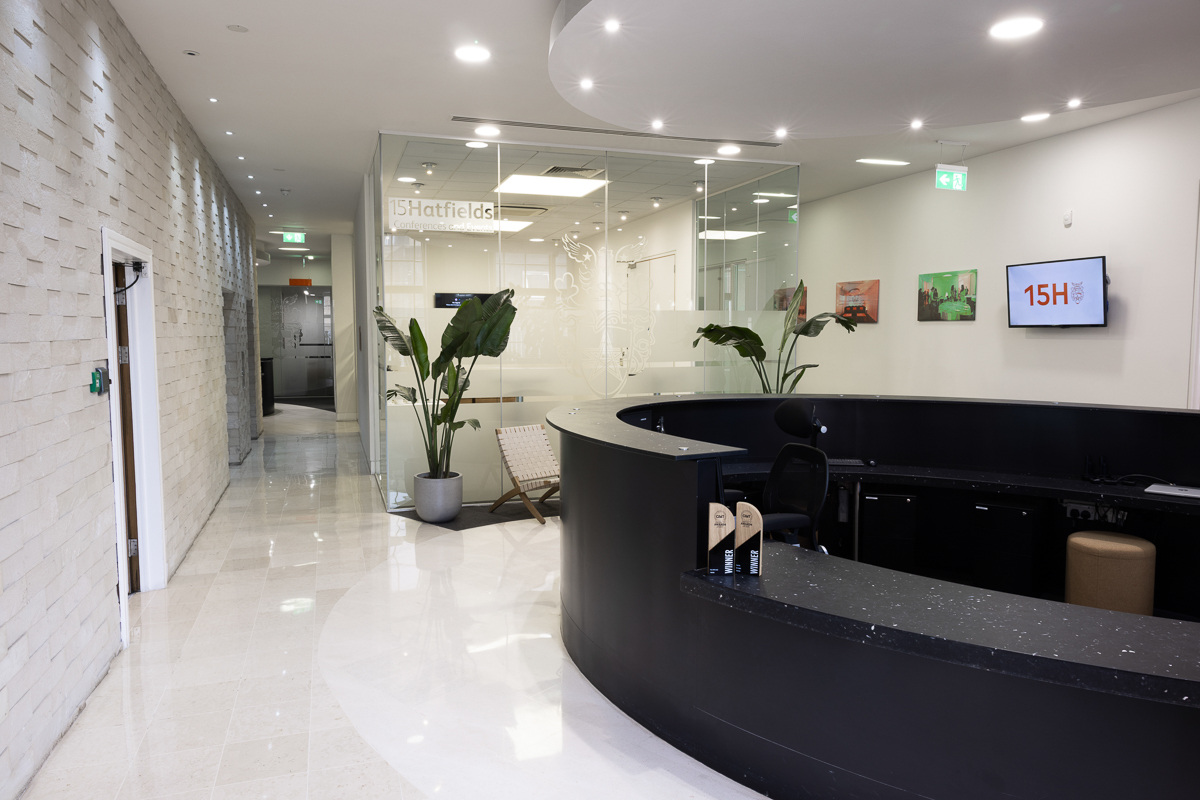
At 15Hatfields, this starts with the basics done properly: a full cloakroom, plenty of space around reception so guests aren't queuing on the doorstep, and a team who greet people by name where a booking calls for it. It's also a five-minute conversation the team has with every organiser before anything else gets discussed, because a shaky arrival colours the whole event, no matter how good everything after it is.
2. The "walk my agenda" test
Here's a quick way to separate a good venue team from a great one: ask them to walk through your actual running order, minute by minute.
A good team will show you rooms. A great one will ask where your breakout groups reconvene, how catering timing lines up with your afternoon session, and what happens to the room in the fifteen minutes between your keynote ending and drinks starting. Rather than simply showing available rooms, our team challenges your agenda, identifies pinch points and suggests improvements based on years of delivering successful events.
3. The team test
Does the venue say yes to everything, or do they actually push back when something won't work?
A team that agrees to every request without comment isn't being helpful, it's avoiding a harder conversation. The organisers who trust a venue most are usually the ones who've been told, at some point, "that layout won't give you what you want, here's what will." That's the difference between a venue that's focused on filling diary space and one that's invested in making your event successful.
4. The AV confidence test
AV is where good venues quietly separate from average ones, and it's rarely about the spec sheet.
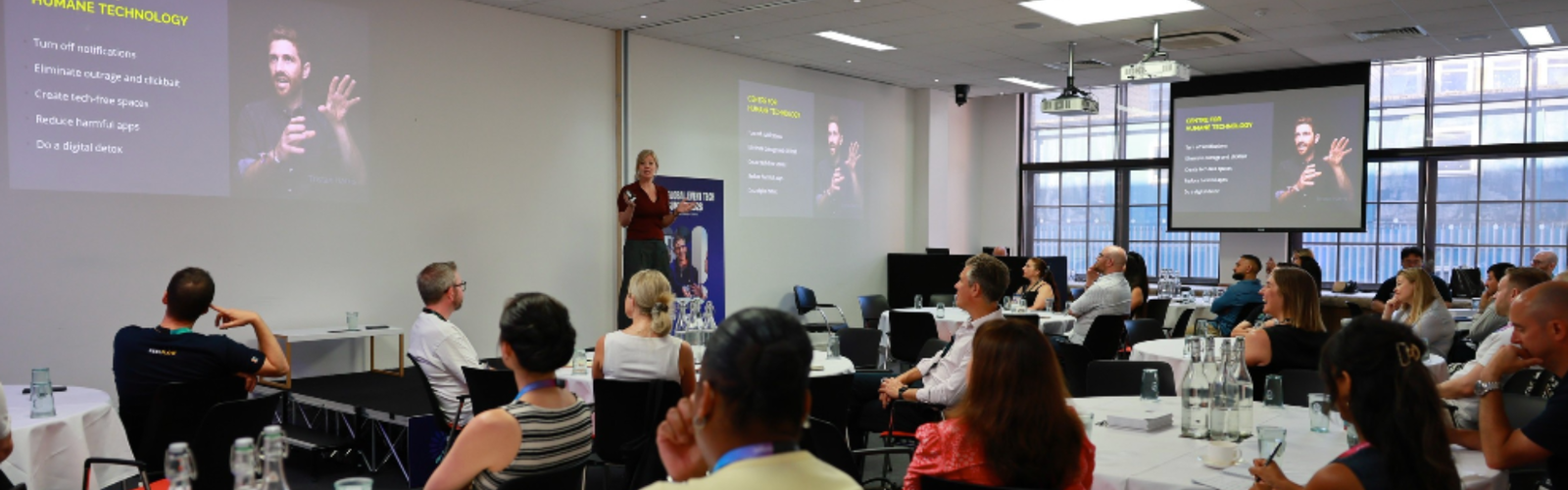
It's whether a speaker walks on stage confident their mic is live, whether the screens are ready before the room fills, and whether "we'll sort it on the day" ever needs to be said out loud. At 15Hatfields, the built-in PA system runs in zones across the venue, roving and lapel mics are ready for speeches and Q&A, and Logitech Rally Bar technology supports hybrid guests joining remotely, all without a technician scrambling five minutes before doors open.
5. The in-between spaces test
The best part of most events doesn't happen in the main session. It happens in the gaps.
Where do people go for a quieter conversation? Is there somewhere to take a call without leaving the building? Does the transition from formal session to networking drinks feel natural, or does everyone just stand around waiting to be told what happens next? These in-between moments are where relationships actually get built, and it's why 15Hatfields keeps genuine breathing room built into the venue: breakout spaces, quieter corners away from the main room, and enough space overall that a transition doesn't mean 200 people funnelling through one doorway at once.
6. The flexibility test
Everyone says their venue is flexible. Fewer can tell you what happens when your numbers change three weeks out, or your afternoon session needs to become two smaller ones instead of one big one.
Real flexibility isn't a marketing word, it's a late-notice email that gets a straightforward answer instead of a pause. At 15Hatfields, that comes down to an experienced team who've handled enough last-minute changes to know what's actually possible, rather than defaulting to "let me check and come back to you." That's the difference between a venue that can flex and one that just says it can.
7. The sustainability proof test
Most venues will tell you sustainability matters to them. Fewer can show you the evidence.
15Hatfields is the UK's first Platinum ECOsmart-accredited venue, and every event can come with a complimentary carbon impact report covering five key areas, so organisers get actual data, not just a reassuring line in a proposal. If a venue can't show you the numbers, ask why.
8. The confidence test
This is the one that matters most, and it's simple: do you leave the site visit more confident than when you arrived?
Not more informed. More confident. There's a real difference between walking away with a folder of facts and walking away thinking "yes, I can see exactly how this is going to work." The first is a proposal doing its job. The second is a venue that's already earned your trust before the first delegate walks through the door.
If you're planning your next event and want to run this test for yourself, come and walk the space, talk through your agenda, and see how 15Hatfields holds up.
Get in Touch