Hello, how can we help?
What happens to event waste?
Recycling behind the scenes at 15Hatfields
Recycling is an important part of reducing the environmental impact of corporate events. But have you ever wondered what happens to waste once it leaves the venue?
At 15Hatfields, responsible waste management goes beyond providing clearly labelled recycling bins. It involves understanding how materials are collected, sorted and processed, and working with specialist partners to reduce unnecessary waste.
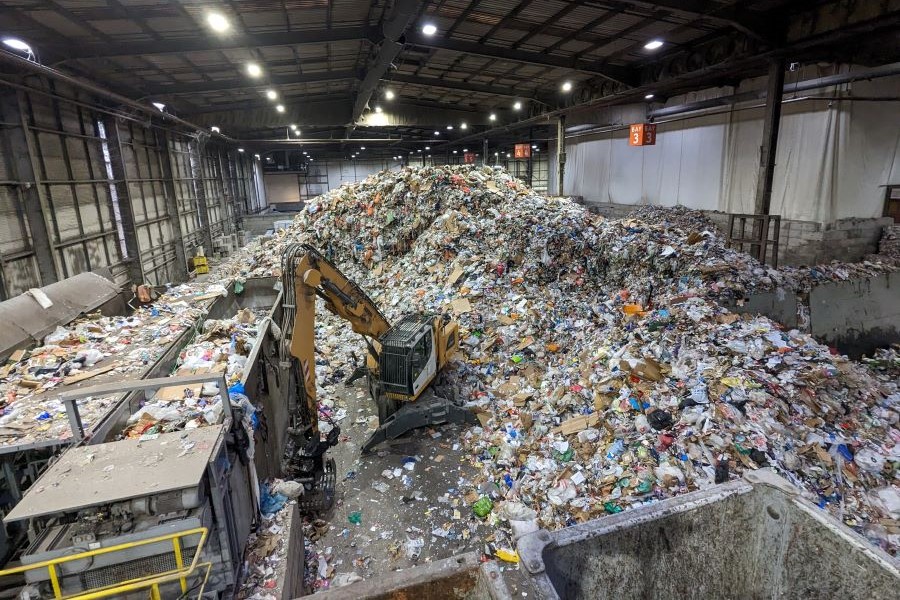
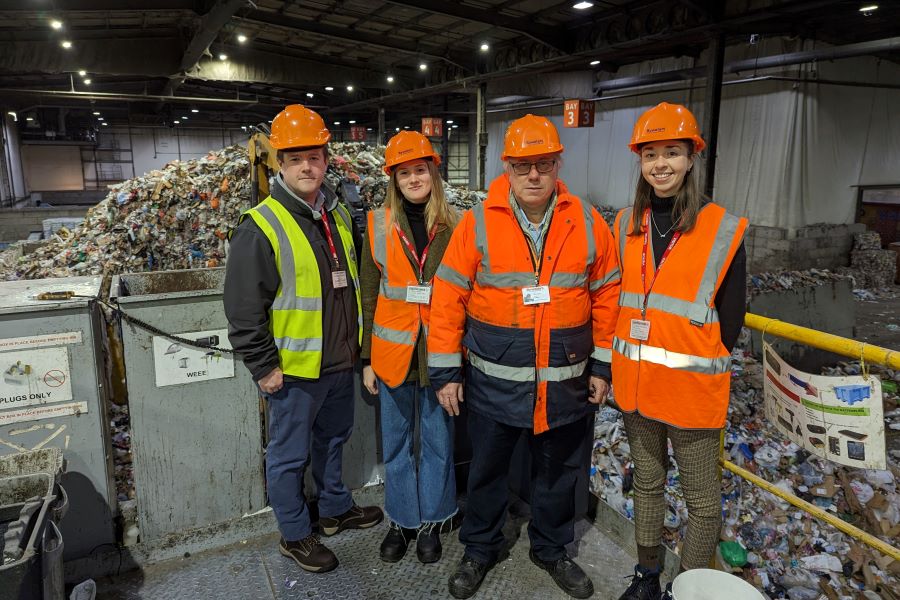
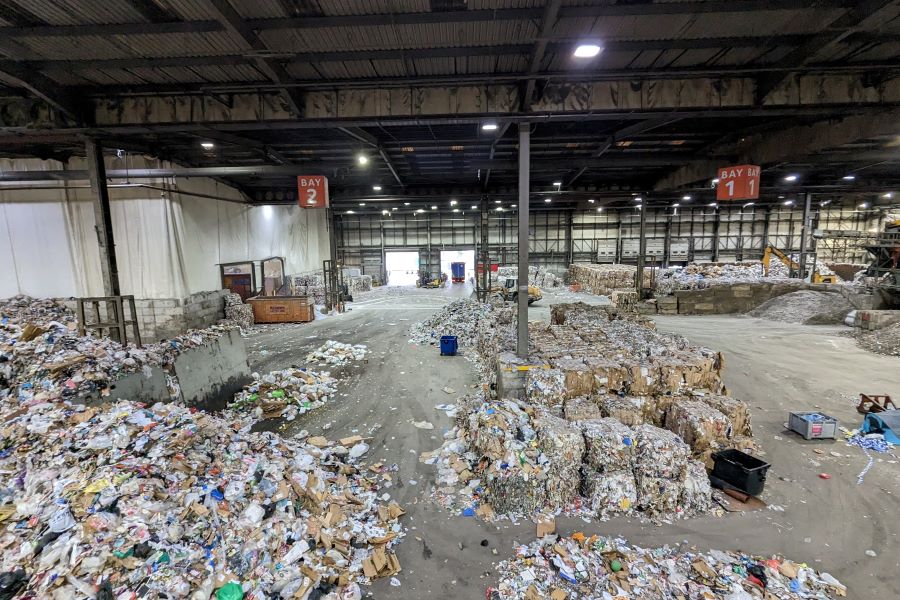
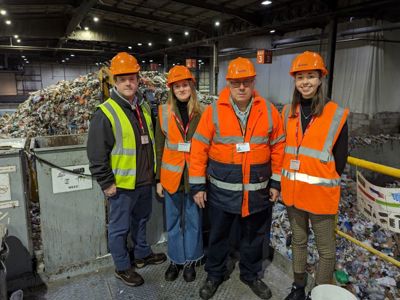
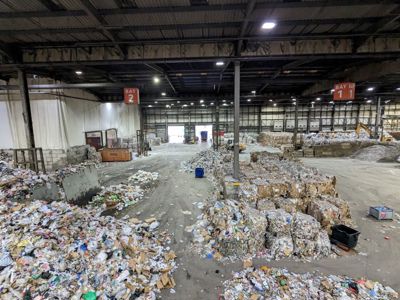
As part of our ongoing approach to sustainable events, we visited Bywaters' Lea Riverside recycling facility in East London, where materials collected by our waste management partners, Pulse Environmental, were processed.
The visit gave us a closer look at the recycling process, the challenges involved and the practical steps that help more materials find a second life.
Here's what we discovered about recycling behind the scenes.
How event waste is sorted and recycled
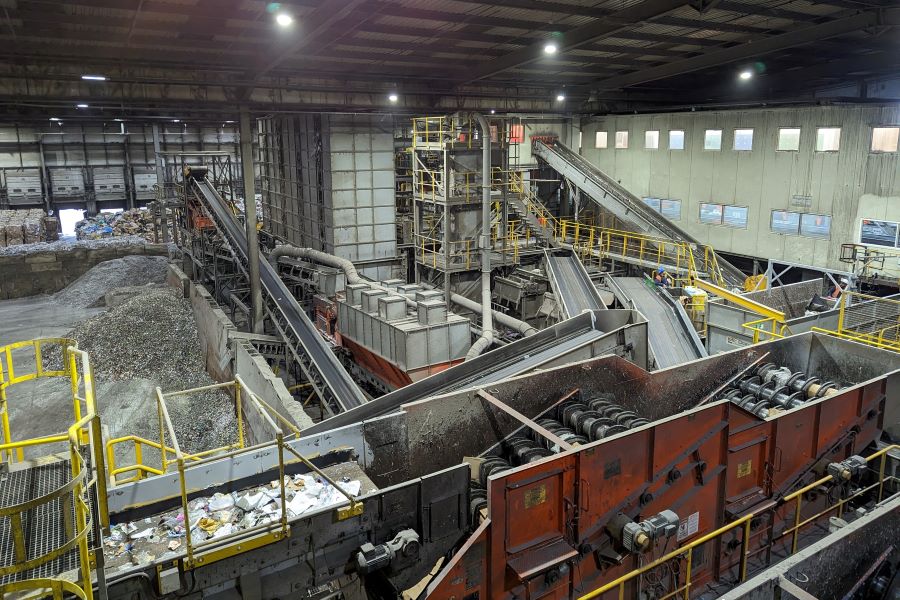
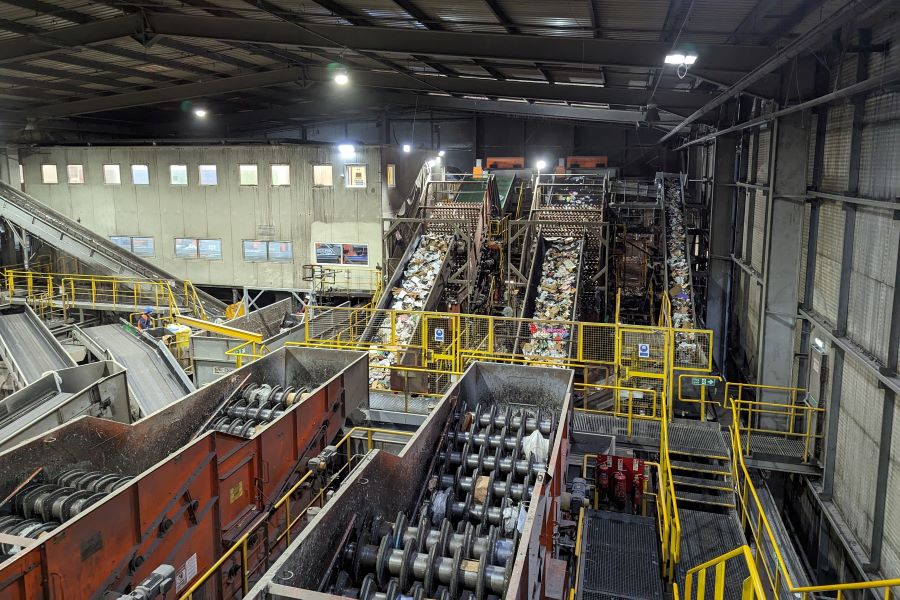
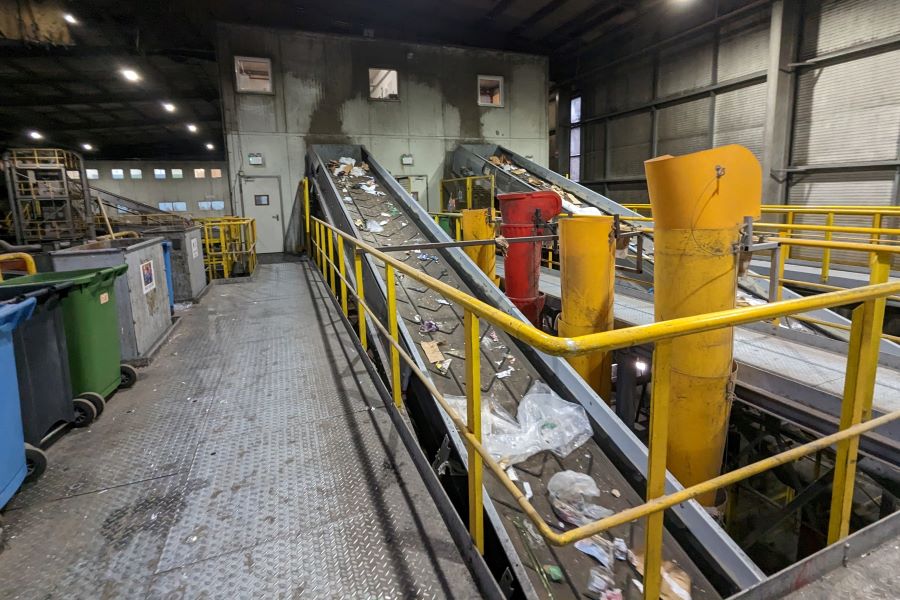
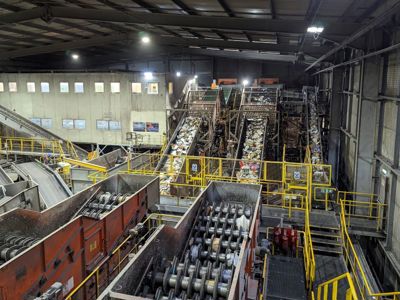
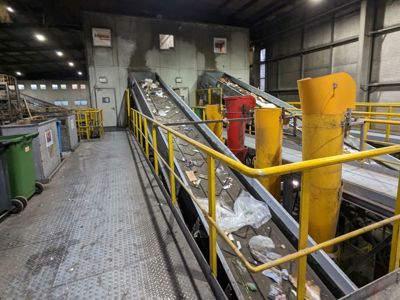
During our visit to Bywaters' Lea Riverside facility, we learned how dry mixed recycling is separated into different material streams using specialist sorting technologies.
At the time of our visit, the facility operated five separate streams for plastics: PET (commonly used for water bottles), HDPE (such as milk cartons), hard mixed plastics (including yoghurt pots), clear film and coloured film.
The recycling process uses a combination of technologies to separate materials. These include near-infrared technology to identify certain plastics, magnets to attract ferrous metals and eddy currents to separate non-ferrous metals.
While the machinery plays an important role, people are also essential to the process. Recycling operatives identify contaminants, remove unsuitable items and carry out quality checks to help ensure materials can be processed correctly.
For example, some larger HDPE bottles may need to be removed manually rather than sorted by machinery.
Effective recycling also starts before materials reach a processing facility.
At 15Hatfields, we use clearly labelled recycling bins throughout our venue to help ensure materials are separated correctly.
What the recycling data tells us
One of the challenges facing recycling facilities is contamination.
Food waste is a common contaminant in dry mixed recycling, which is why it is important to make sure packaging and containers are suitable for recycling before they are placed in the correct bins.
During our visit, the Bywaters team explained how contamination can affect recycling rates, particularly when unsuitable items become mixed with recyclable materials.
This highlights why clear information and good waste separation practices matter, whether at home, in the workplace or during a corporate event.
The facility also demonstrated how materials that cannot be recycled may be directed towards energy recovery rather than landfill.
In 2022, waste management reporting from Pulse Environmental showed that 15Hatfields' waste management activities helped divert materials from landfill and reduce associated carbon emissions.
These historical figures demonstrate the value of measuring waste rather than relying on general sustainability claims. Tracking what happens to materials allows venues to identify opportunities to improve their approach over time.
Our visit also highlighted how recycling facilities can take steps to reduce the environmental impact of their own operations. At the time, Bywaters had installed solar panels at Lea Riverside to generate electricity and reduce reliance on other energy sources.
How organisers can help reduce event waste
Recycling capabilities vary depending on the materials involved and the facilities available, so it is important to understand what can and cannot be recycled.
Waste management providers can be a valuable source of information. Asking questions about recycling streams, contamination and how materials are processed can help businesses make better decisions.
At 15Hatfields, waste management reporting helps us understand where improvements can be made and how we can continue reducing the environmental impact of the events we host.
But effective event waste management is not just about what happens after materials are collected. It also starts with preventing unnecessary waste in the first place.
For event organisers, that means considering catering quantities, avoiding disposable materials, choosing reusable alternatives and working with a venue that can explain how different waste streams are managed.
Since opening in 2008, 15Hatfields has championed reusable alternatives to single-use products. From refillable water bottles made from recycled glass to reusable catering containers, we look for practical ways to reduce unnecessary waste throughout the venue.
You can find out more about our approach to recycling and how better planning can help reduce food waste at corporate events.
Planning a more sustainable event?
From responsible waste management and sustainable catering to carbon reporting, 15Hatfields helps organisers make more informed choices.
If you're planning a conference, meeting or corporate event in London, speak to our team about how we can support your brief.